

One short form of poetry we all know is the Limerick. Who amongst us haven’t had a giggle at a rather risque limerick at some stage in our lives? Being a bit naughty, or worse, isn’t a necessity for the poetry form, it isn’t one of the poetic ‘rules’ for a limerick. What makes a poem a limerick is the rhyme, and the number of stresses, or ‘beats’ in each line, and the number of lines.
In a Limerick, the first, second, and fifth lines all rhyme and have three ‘beats’ in each line, and the third and fourth lines both rhyme and have two ‘beats’. If that sounds a bit confusing, here is a limerick I penned recently, on the theme of Covid-19, which seems to have taken up most of my attention, and much of this blogsite.
xxxxxxxxxxxxx
This awful Covid virus
Sent here by Nature to try us –
It may cause some shrugs,
But I want my hugs!
It’s a blessing for those with shyness.
xxxxxxxxxxxxxxxxxxxxxxxxxxx
The Japanese poetry forms, Haiku and the similar Senryu don’t rely on rhymes, they are more focused on line lengths. These forms are the same, except for subject matter. In the traditional Japanese format, they are both of 5, 7, and 5 syllables in the three lines that make up the poem. In more contemporary and wes, they may be shorter than that, but they are never a lengthy poem, and they focus on a moment, and the reading of the poem is done within a single breath, is one way I’ve seen it described.
The Haiku tends to be Nature focused, while the Senryu more focused on people, and it is more likely to show humour. There are many rules about these Japanese forms, too many for this blog post, but this site has a good explanation on what Haiku is, to help you to write your own. As I said above, Senryu has the same rules regarding form but not subject matter.
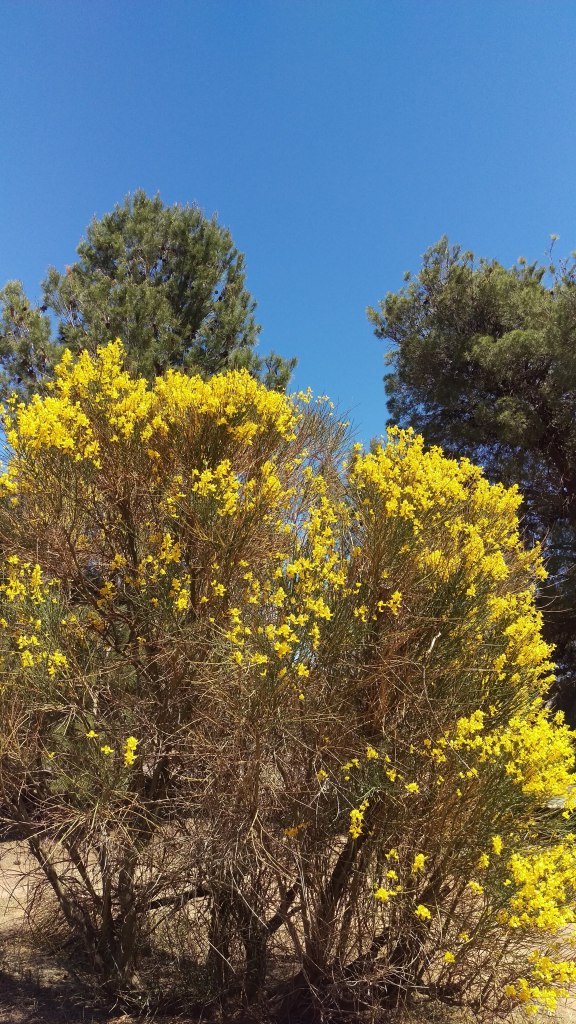
Haiku can be difficult to get just right, and so can Senryu, this is one of my more successful Senryu, I feel:
My mind wanders –
watching birds & people
also wandering …
xxxxxxxxxxxxxxxxxxx
So they were two of my favourite short forms of poetry, if you like them, why not leave a message and let me know!

 Carolyn Cordon - Creative
great job!
LikeLike
Thank you Wendi!
LikeLiked by 1 person
🙂
LikeLike
I enjoy haiku but I prefer “American” haiku as described by Jack Kerouac:
“The American haiku is not exactly the Japanese Haiku. The Japanese Haiku is strictly disciplined to seventeen syllables but since the language structure is different I don’t think American Haikus (short three-line poems intended to be completely packed with Void of Whole) should worry about syllables because American speech is something again . . . bursting to pop.
“Above all, a Haiku must be very simple and free of all poetic trickery and make a little picture and yet be as airy and graceful as a Vivaldi Pastorella.”
LikeLike
Yes, the question of what Haiku is, is one that has been going around and around, and certainly Jack Kerouac get close to it, for sure. Written English and Japanese are two very different things. The 5, 7, 5, thing is a useful introduction to this delightful poetic form though, and it often leads to a more considered look at it.
Certainly, that syllable count was how I first learned about Haiku, but I have moved further with my own haiku, and will write in either method. I prefer a scaled back Haiku though, when I can totally ‘nail it!’ whatever the ‘it’ was.
LikeLiked by 1 person
I like your little limerick, Carolym: it has a wink wink, naughty quality about it; imdeed it is this which endears us to the form; well done 🙂
LikeLike
Thanks John, I’ve edited it a bit more, I’m not sure about the last line, it might be ‘going too far’, but this whole Covid-19 time is ‘going too far’, in a way, isn’t it?
LikeLike