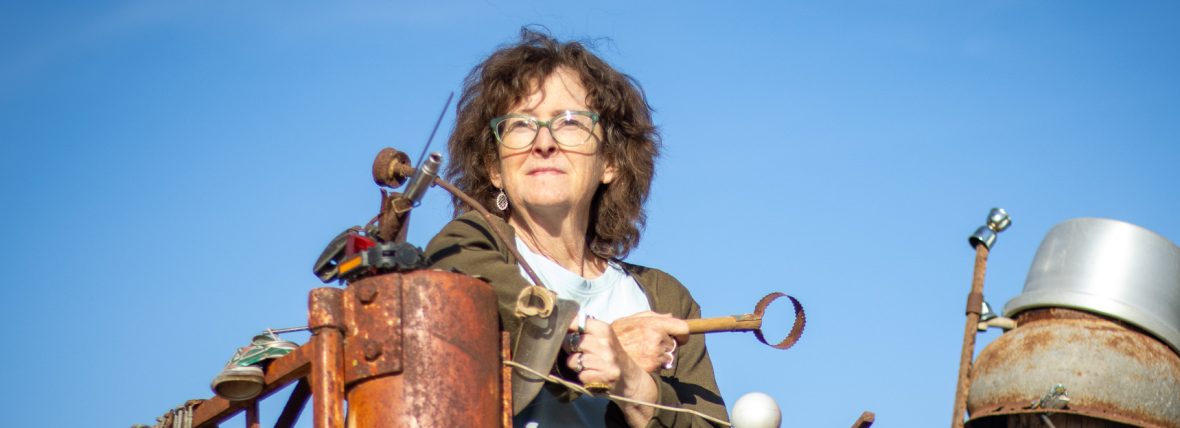
Wife, mother, Poet, Writer, Art Installationist, Stand Up Comedian, Dog Enthusiast. Spending most of my time being creative in a variety of sometimes quirky ways!
I have suffered in my life, I have had wonderful things occur in my life. Concentrating on the wonderful things makes it easier for me to live a great life.
If Love is a Drug ...(with thanks to Roxy Music)
If love is a drug, is that why my life
shines brilliant colours, sickness
approaches me, then strolls on past,
barely ever causing me harm?
So, if love is a drug, that’s why I share
the good stuff, with not just dear ones,
who live in my heart & mind, but with
all, especially those infected by hate.
Seeing what hate can do - tragically
destroy not only lives, but hopes,
& dreams too, if love is a drug
sharing it may vaccinate others
so they too, may begin to share
the love that has come to them -
A viral promise of hope in times
that seem hopeless. Love, not hate,
when hate is more easily spread -
All it takes is a glare, a stare, an ill word
spoken, about a man who was choking,
& silence against those doing the deed.
If love is a drug, join together, spread
the good there is, spread it so far
the very soil is thick with it, & seeds
of hate can’t take root, so hate dies.
If love is a drug, right now is the time
we need it, to infect the whole world
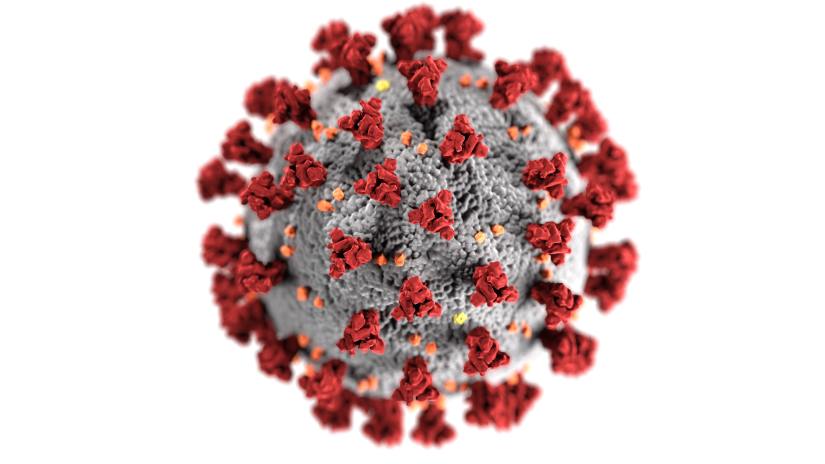
with love - it may not cure coronavirus
but nor will hatred, & we need hope ...
************************************
Poems don’t arrive every day, but sometimes they do, and they demand to be written down, tweaked, and then shared. This one of those poems, written as I watched the Black Lives Matter march in America, in response to the death of George Floyd, after a police officer, abetted by other police officers, did a terrible, unforgivable thing.
This poem is my response, a cry for better things in the future, and for right now, when the world is in great need of those better things.
This Coronavirus crisis is a scary time, and the word ‘unprecedented is being used a lot. These are unprecedented times, in this century for sure, and for most of last century too, unless you include the Ebola virus that killed thousands of people, and the SARS Virus too, back in 2003. and there was MERS as well, in 2012.
But none of those were as bad and this current pandemic, with Covid-19, in terms of deaths, or spread. Apparently the Antarctic is the only continent without any Covid-19, as far as my ‘research’ has shown. My research was a couple of Google searches, one of which led me to an interesting Antarctica-related article concerning a cruise ship that had Covid-19 problems, which were all recorded by one of the medical people on the boat. The numbers of negative and positive people on the boat gave some very interesting results.
When you have asymptomatic people with a disease, only testing can let you know the truth of things, and when some of the testing gives false negative results, things can be tricky indeed. On that particular boat though, Everyone was tested, and tested very often, and everyone was aware of what the situation was. Apparently one of the affected people died.
These are sobering statistics. The people on that boat were very aware of what their situation was, and all were more than happy, by the look of it, to take part in the necessary testing. And being on a boat, that was out on the water, there weren’t any options apart from going along with what had been deemed necessary. And I suspect the kind of person who would go on a cruise such this one where you are looking at scientifically interesting things, would be well aware of dangers if things with this virus took off.
So back in Australia, where are we? There’s understanding, ignorance, and denial, there are people who don’t care, ‘cos ‘We’ve all gotta die of something, don’t we?’ Arrogant ignorance, perhaps the most dangerous kind, because what can you do with people like that? Abject fear, being too afraid to even go outside at your own place, that’s going too far, regarding being careful, perhaps, but at least it won’t harm others.
The people who can be dangerous to the broader population are the ones who make no changes to their behaviour, and possibly are unknowingly spreading Covid-19. And what of the people involved in the recent “Black Lives Matters” protests/rallies in America, and in Australia? These events have inspired, interested and enraged different people. Social distancing issues were raised, and some questioned the wisdom of such events.
Others were anti such things for quite different reasons. Reasons of racism, for sure, in some cases. But it seems organisers did the best they could to enforce or at least strongly encourage, social distancing, as much as that is possible. Certainly, there were some instances of people being too close together, that I saw on the television. but for most of what I saw from Australia, the crowds were at least trying to stay apart to some extent.
But is it enough, and what about shoppers at supermarkets these days of ‘opening up’ and reducing the restrictions that kept us all at home and separated. If there are increases in numbers of Covid-19 affected people, will it be those people, or will it be those who were protesting? Should fears for our health keep us home, and let others risk their health, while Aboriginal deaths in custody still happen at terrible high numbers? From what I’m told about one of the events, most of the protesters were wearing masks, and were keeping socially distanced.
And with the protests in Sydney, the police did bad things for sure, from what I’ve read. Herding protesters into smaller spaces with exits closed off. It could have been a breeding ground of infection, and only time can tell whether it has been or not. Whose fault? Protesters for being there, or police? I know what I think …
These are unsettled times for sure, keep safe, but remember the lives of those who aren’t safe, and think on doing what you can, to help them keep safe too.
When a writer is going to work on a piece of writing, they can either just start writing and see how it all goes, or they can begin with a goal, and follow along, with the various check points toward a finished product. Or, of course, they can do something in between the tow options.
Going ‘freestyle’ and just writing is a way that can bring amazingly rich and unusual results, but it can also lead to a lot of waffle, that needs to be edited out, to eventually bring a final result that works well. It includes a lot of effort at times though, producing words that have no place in any original book the writer wants to be connected with. Waffles are fine in the kitchen, or on a plate, but not in a good book.
The opposite method, or planning, and moving step by step to produce a book will reduce the waffle, for sure, but possibly may bring about a staid and boring book, with no flights of imagination, just dreary facts, with not a single flight of fancy in sight. Boring, boring, boring!
A better way to go might be to have a plan, but be open to new ideas, as things go along, and with the gaze firmly on what is happening in the book-in-progress, what may work better, or has turned out to be a bad idea, or not the best one. An idea that arches over the entire book, the reason why this is the particular book you have to write, right now, is a good thing to hold to, so you can look at each new thing, and ask, does this match the idea, does it add to what I want this book to be, or to do.
If you are writing about growing flowers, but end up on a trip to the desert, and back, with not a flower mentioned, you’d have to ask yourself, what is the reason for that trip to the desert, does it add to my book about growing flowers? If you’d stopped and taken photographs of flowers blooming after heavy rains in the desert, then sure, that was probably an interesting, useful, and relevant side-step.
If there is not mention though. of even a blade of grass, but it’s about camels, or other desert things, but not plant matter at all, it’s in the wrong book. Put it aside, and get back to your original idea, the one that lit your creative fuse. Consider your goal, and go back to it, get back on track, and stay there, as much as you can. A better, and more considered book will result.
Almost every time I switch on my laptop, and check my emails, I see a new submission for the anthology I’m editing. With the closing date for submissions still almost two months away, I’ll have an enormous book, the way things are going …
This Anthology, “Plague Invasion – Creative Writing Responses to Covid-19” has been an idea that gets bigger and bigger all of the time. I thought this idea would attract interest, after all, we’re all living with this terrible and potentially deadly virus, and that sort of thing sure attracts the attention.
Today’s submission grabbed my attention immediately, and there was no doubt in my mind, that this one would be in the anthology, it was different, it was on an issue that hadn’t been written about before, certainly not in the same way, anyway. Fiction is a genre where the writer can sometimes tell a larger truth than is possible with non-fiction, a strange thing, but true.
This current world is going mad, in some ways. Many of us are locking ourselves away to keep safe, which is good, but that could lead to ending up ‘stir-crazy’. Interestingly, the ‘stir’ in stir crazy is a 19th century word for prison. And having to remain at home for such extended periods of time can sure feel like being in prison. I know I’m very grateful that I can go out of my front or back door, and there is a lot there still, that is my place.
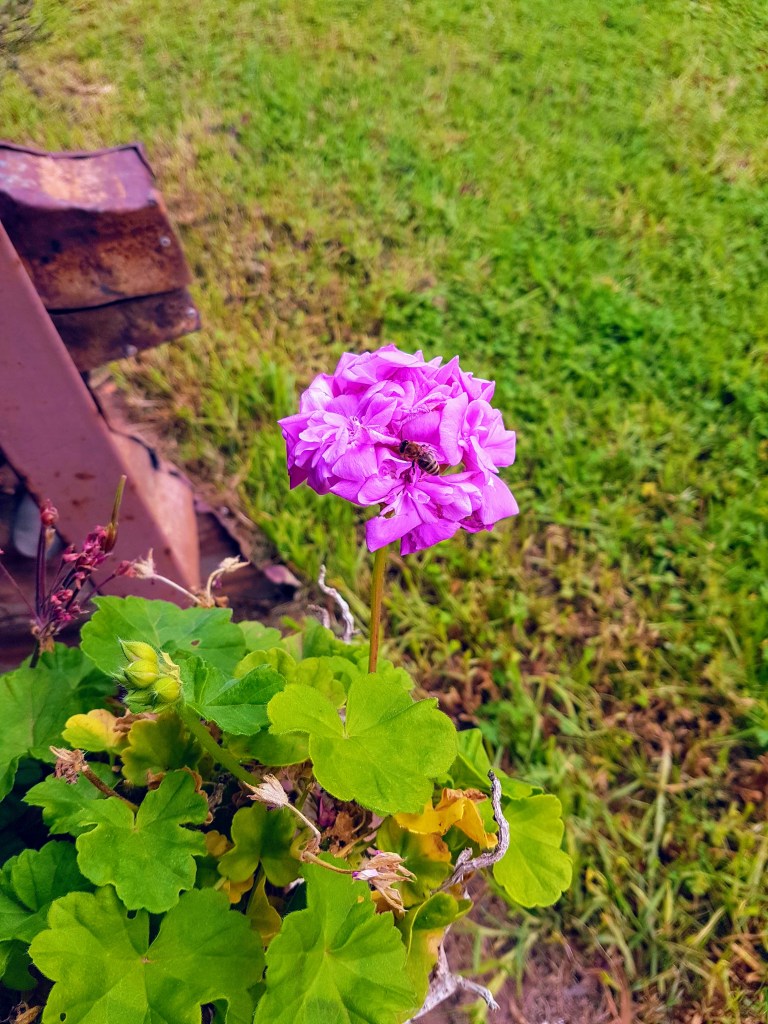
Today, I took a photograph of a bee, and being able to do that is a beautiful free-feeling thing to do. I went out onto the front veranda, and saw a bee flittering around a flower, and decided I wasted to try to get that photo. So I went back inside, grabbed my phone, and went outside again. So did I get the photo? You bet! Was it worth it? You tell me:-
The bee, the geranium bloom, the result.
I’m happy enough with this result, the actual bloom is actually pinker than this, but I was using my phone, not a camera. And as you can see from this image, I’m certainly able to get outside and do things I want to do, view Nature, taking photographs and so on. I’ve been looking at ant nests out of the back of my place too, and and part way though writing a poem about these ants. Being able to do these things mean I feel free to do things I like to do.
So for me, staying home doesn’t feel like being in prison, far from it. But I live in a rural area, on one and three quarter acres, where there is a lot of ‘Nature’ there for me to see, photograph, write about. Many people don’t have the same available, far from it, in fact.
The different experiences people are having leads to different kinds of ideas, and different things to write about. I’m hoping to showcase many of these differences. And we all might see the same thing differently too, so one person’s apartment life may give them one way of looking at their current life, while the person in the next apartment may see different aspects of their same life.
This thing, Covid-19, has been an interesting writing prompt, that’s for sure, and the resulting Anthology based on that theme is shaping up to be an interesting book, filled with different aspects of this Coronavirus life we’re all facing.
If you have ideas you’d like to write about, relating to this terrible virus, I’d love to read what you write. Please submit up to three poems of fewer than thirty lines each, and/or up to three pieces of prose of up to 3,000 words in total for all prose submissions. Send them via email to me at kittycordo@gmail.com
One short form of poetry we all know is the Limerick. Who amongst us haven’t had a giggle at a rather risque limerick at some stage in our lives? Being a bit naughty, or worse, isn’t a necessity for the poetry form, it isn’t one of the poetic ‘rules’ for a limerick. What makes a poem a limerick is the rhyme, and the number of stresses, or ‘beats’ in each line, and the number of lines.
In a Limerick, the first, second, and fifth lines all rhyme and have three ‘beats’ in each line, and the third and fourth lines both rhyme and have two ‘beats’. If that sounds a bit confusing, here is a limerick I penned recently, on the theme of Covid-19, which seems to have taken up most of my attention, and much of this blogsite.
xxxxxxxxxxxxx
This awful Covid virus
Sent here by Nature to try us –
It may cause some shrugs,
But I want my hugs!
It’s a blessing for those with shyness.
xxxxxxxxxxxxxxxxxxxxxxxxxxx
The Japanese poetry forms, Haiku and the similar Senryu don’t rely on rhymes, they are more focused on line lengths. These forms are the same, except for subject matter. In the traditional Japanese format, they are both of 5, 7, and 5 syllables in the three lines that make up the poem. In more contemporary and wes, they may be shorter than that, but they are never a lengthy poem, and they focus on a moment, and the reading of the poem is done within a single breath, is one way I’ve seen it described.
The Haiku tends to be Nature focused, while the Senryu more focused on people, and it is more likely to show humour. There are many rules about these Japanese forms, too many for this blog post, but this site has a good explanation on what Haiku is, to help you to write your own. As I said above, Senryu has the same rules regarding form but not subject matter.
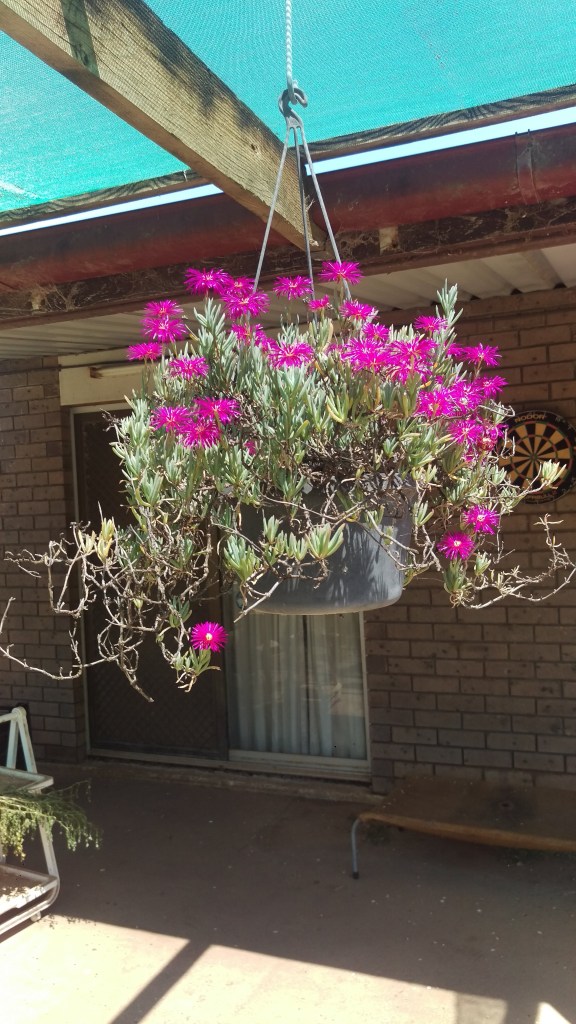
Nature in my front yard
Haiku can be difficult to get just right, and so can Senryu, this is one of my more successful Senryu, I feel:
My mind wanders –
watching birds & people
also wandering …
xxxxxxxxxxxxxxxxxxx
So they were two of my favourite short forms of poetry, if you like them, why not leave a message and let me know!