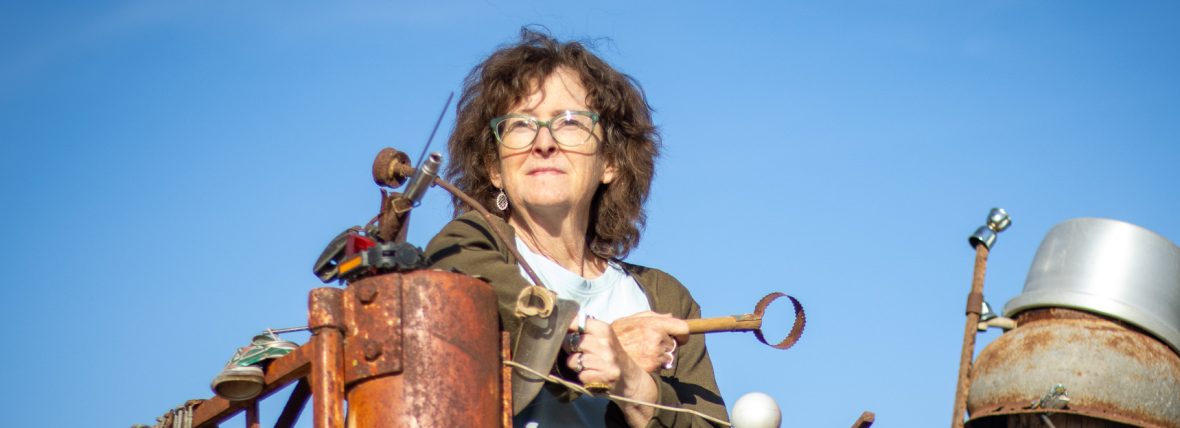

When a writer is going to work on a piece of writing, they can either just start writing and see how it all goes, or they can begin with a goal, and follow along, with the various check points toward a finished product. Or, of course, they can do something in between the tow options.
Going ‘freestyle’ and just writing is a way that can bring amazingly rich and unusual results, but it can also lead to a lot of waffle, that needs to be edited out, to eventually bring a final result that works well. It includes a lot of effort at times though, producing words that have no place in any original book the writer wants to be connected with. Waffles are fine in the kitchen, or on a plate, but not in a good book.
The opposite method, or planning, and moving step by step to produce a book will reduce the waffle, for sure, but possibly may bring about a staid and boring book, with no flights of imagination, just dreary facts, with not a single flight of fancy in sight. Boring, boring, boring!
A better way to go might be to have a plan, but be open to new ideas, as things go along, and with the gaze firmly on what is happening in the book-in-progress, what may work better, or has turned out to be a bad idea, or not the best one. An idea that arches over the entire book, the reason why this is the particular book you have to write, right now, is a good thing to hold to, so you can look at each new thing, and ask, does this match the idea, does it add to what I want this book to be, or to do.
If you are writing about growing flowers, but end up on a trip to the desert, and back, with not a flower mentioned, you’d have to ask yourself, what is the reason for that trip to the desert, does it add to my book about growing flowers? If you’d stopped and taken photographs of flowers blooming after heavy rains in the desert, then sure, that was probably an interesting, useful, and relevant side-step.
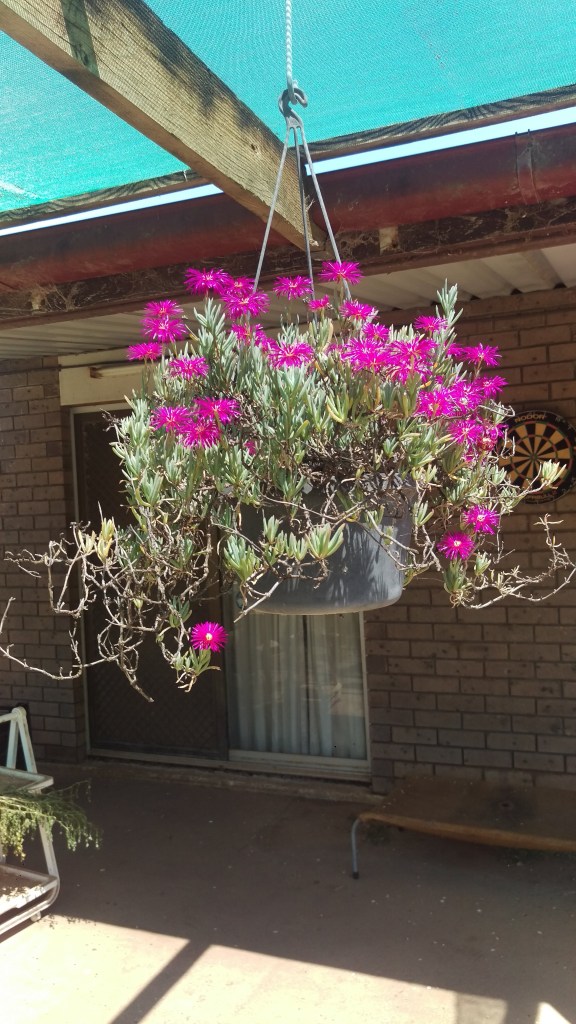
If there is not mention though. of even a blade of grass, but it’s about camels, or other desert things, but not plant matter at all, it’s in the wrong book. Put it aside, and get back to your original idea, the one that lit your creative fuse. Consider your goal, and go back to it, get back on track, and stay there, as much as you can. A better, and more considered book will result.
Thank you for being here, now I have to get back to working on that book that lit my fuse – an Anthology of responses to Covid-19!
 Carolyn Cordon - Creative